
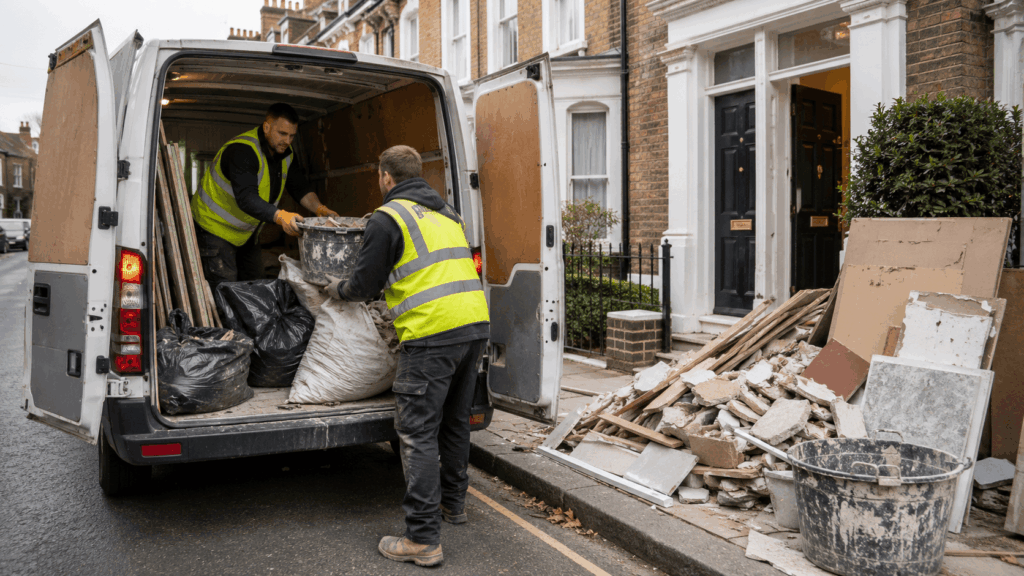
Builders Waste Removal After Renovation: Why Proper Clearance Matters
Renovation work can improve a property, but it also creates a lot of waste. Even a small refurbishment can leave behind rubble, timber, plasterboard, packaging, tiles, old units, flooring, insulation and general builders rubbish.
For homeowners, landlords and contractors, clearing this waste properly is an important part of the job. It keeps the site safe, helps the project stay organised and ensures the waste is handled through the right channels.
Builders waste is not the same as ordinary household rubbish, so it should never be treated casually.
What Counts as Builders Waste?
Builders waste is the rubbish created during construction, repair, renovation, refurbishment or demolition work. It can include many different materials, such as:
- Bricks and rubble
- Broken tiles
- Timber offcuts
- Old kitchen units
- Bathroom fittings
- Plasterboard
- Flooring
- Doors and frames
- Packaging
- Soil and hardcore
- Metal pipes and fixings
- Old insulation
- General site waste
Because these materials vary in weight and type, they often need to be separated and disposed of carefully.
Why Builders Waste Can Be Difficult to Remove
Builders waste is often heavy, dusty and awkward to carry. Rubble, tiles and soil can add a lot of weight, while timber and boards take up space. Mixed waste can also be harder to price because different materials may require different disposal routes.
If waste is left on site, it can slow down the project. Tradespeople need clear access to work safely. Deliveries need space. Customers want the property to look organised, not like a dumping ground.
A professional rubbish removal service can help keep the site moving by clearing waste at different stages of the job.
Skip Hire vs Rubbish Removal
Many people think a skip is the only option for builders waste, but this is not always true. Skips can be useful for large projects, but they also come with limitations. In London, a skip may require a permit if placed on the road. There may be restrictions on where it can go, how long it can stay and what can be placed inside.
Man and van rubbish removal can be a more flexible option for smaller or medium-sized projects. The team arrives, loads the waste and removes it in one visit. There is no need for the customer or builder to load a skip themselves.
Companies such as Snappy Rubbish Removals can collect builders waste from renovation projects, helping homeowners and contractors clear rubbish without unnecessary delays.
Plasterboard and Specialist Waste
Some building materials need extra care. Plasterboard, for example, often has to be kept separate from general mixed waste because it is treated differently at disposal facilities.
Other materials, such as asbestos, chemicals, paint, gas bottles and certain hazardous products, cannot be collected as normal builders waste. These require specialist handling.
Before booking a collection, it is important to explain what materials are included. Clear photos can help the waste company identify whether the load is suitable for collection.
Keeping a Renovation Site Safe
Waste left around a property can create risks. Broken tiles, nails, screws, sharp timber, loose rubble and heavy bags can all cause accidents. This is especially important when the property is still occupied during the renovation.
Regular waste clearance keeps walkways clear and reduces the chance of damage or injury. It also helps tradespeople work more efficiently.
A tidy site is not just about appearance. It is part of good project management.
Waste Removal for Landlords and Property Managers
Landlords and property managers often need builders waste removed quickly between tenancies. A flat may need new flooring, a bathroom refresh, kitchen replacement or general repairs before new tenants move in.
In these cases, delays can cost money. If waste is left in the property, cleaners, decorators and fitters may not be able to finish their work.
There are well-established waste collection companies in London, such as Snappy Rubbish Removals, that can help clear renovation waste and prepare a property for the next stage. We have worked with them on several large projects and believe that, at a certain point, it is more effective to seek professional assistance rather than risk leaving a customer dissatisfied.
How to Prepare Builders Waste for Collection
Keep waste in a safe and accessible place. Try to separate heavy rubble from lighter materials where possible. Bag small debris, but do not overload bags, as they may become too heavy to lift.
Stack timber neatly, keep sharp items visible, and mention any heavy or unusual materials when requesting a quote.
If the waste is inside the property, make sure the team has clear access. Parking, stairs, lifts and distance from the van can affect the job.
The Final Stage of a Good Renovation
A renovation is not finished when the last tile is fitted or the final wall is painted. The property also needs to be cleared, cleaned and made safe.
Proper builders waste removal helps complete the project professionally. With support from a company such as Snappy Rubbish Removals, renovation waste can be collected quickly and responsibly, leaving the property ready to use, rent or sell.
Good building work deserves a clean finish.